
We’re watching the Mediterranean change shape under pressure. What once felt like a calm buffer now squeezes diplomacy, trade routes and human flows into a tighter space.
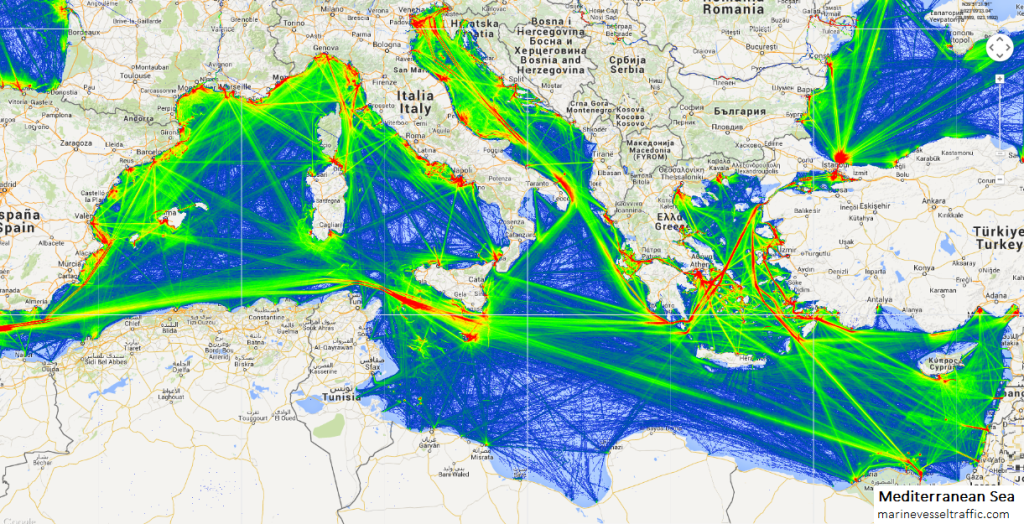
Earlier this week, the Haftar-aligned authorities in Benghazi told Italian, Greek and Maltese envoys to leave, citing a breach of Libyan sovereignty. It wasn’t just a diplomatic slap. It marks Cyrenaica’s growing ties with networks linked to Russia and the Emirates, and a push to reopen sea lanes that avoid Turkey.
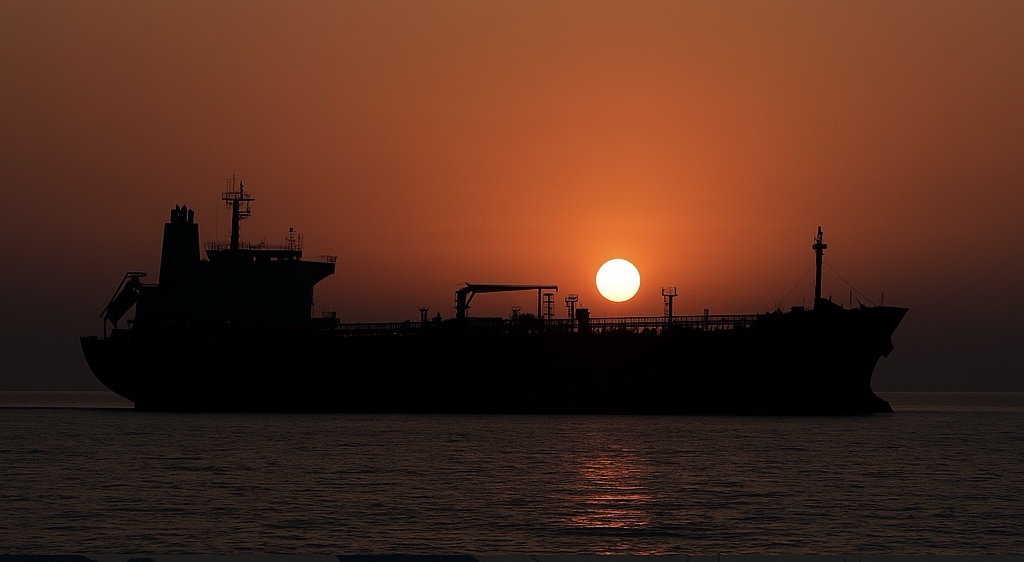
At the same time, Russian tankers from the so-called dark fleet are slipping back into contested waters. They burn flags and AIS transponders to skirt sanctions. You can almost sense the pressure creeping into NATO’s southern flank as these vessels supply hybrid corridors between Africa and Europe.
In Fezzan, Wagner operatives are stirring again, while Houthi raids in the Red Sea force tankers northward. Brent hovers near a hundred dollars a barrel and insurance rates climb around Sicily. Those price tags matter when every tenth of a dollar shifts budgets for defence, rescue operations and border patrols.
Closer to home here in Malta, we see cracks in Europe’s capacity to respond. Italy’s steel powerhouse nearly shut down. Rumours swirl about selling or retiring aircraft carriers. And NATO budgets have been tinkered with in ways that feel more like story-telling than real deterrence.
Then there’s the humanitarian front. Camps in southern Libya set up for Gaza refugees could double as logistics hubs. The risk of migrant routes diverting toward Malta and southern Italy grows each day. I find myself thinking about what that might mean for your patrols and coastal defences.
Cyber friction, a looming energy shock and China’s silence over billions in frozen Libyan assets add new layers of uncertainty. This feels like more than a crush of headlines. It’s a strategic squeeze that plays out in absences—ships that vanish from radars, convoys that appear overnight, signals that go missing.
Keep an eye on vessels turning off transponders near Derna, new dual-use builds in Fezzan, Brent flirting with a hundred-dollar mark, Italian ships repositioning, sudden waves of crossings toward Malta and odd GPS glitches around the sister islands. These aren’t ticking bombs. They’re subtle hints of shifting leverage.
We aren’t at war here, though it can feel that way. We’re seeing a silent shift in how power moves across the waves. It’s worth asking how Malta’s own navy, intelligence community and diplomatic service can adapt when pressure doesn’t announce itself with a bang.
#MediterraneanTensions #HybridMaritime #ShadowLogistics #StrategicWatch #MaltaSecurity #MediterraneanRisk #HybridWarfare #DarkFleet #CBRN #NATOFlank #OSINT #StrategicCompression #RefugeePressure #Wagner #EnergySecurity #ChinaSilentAxis #InfoOps #MarketSignals #Geopolitics


 The Cons's Nook: www.ivanmconsiglio.com