
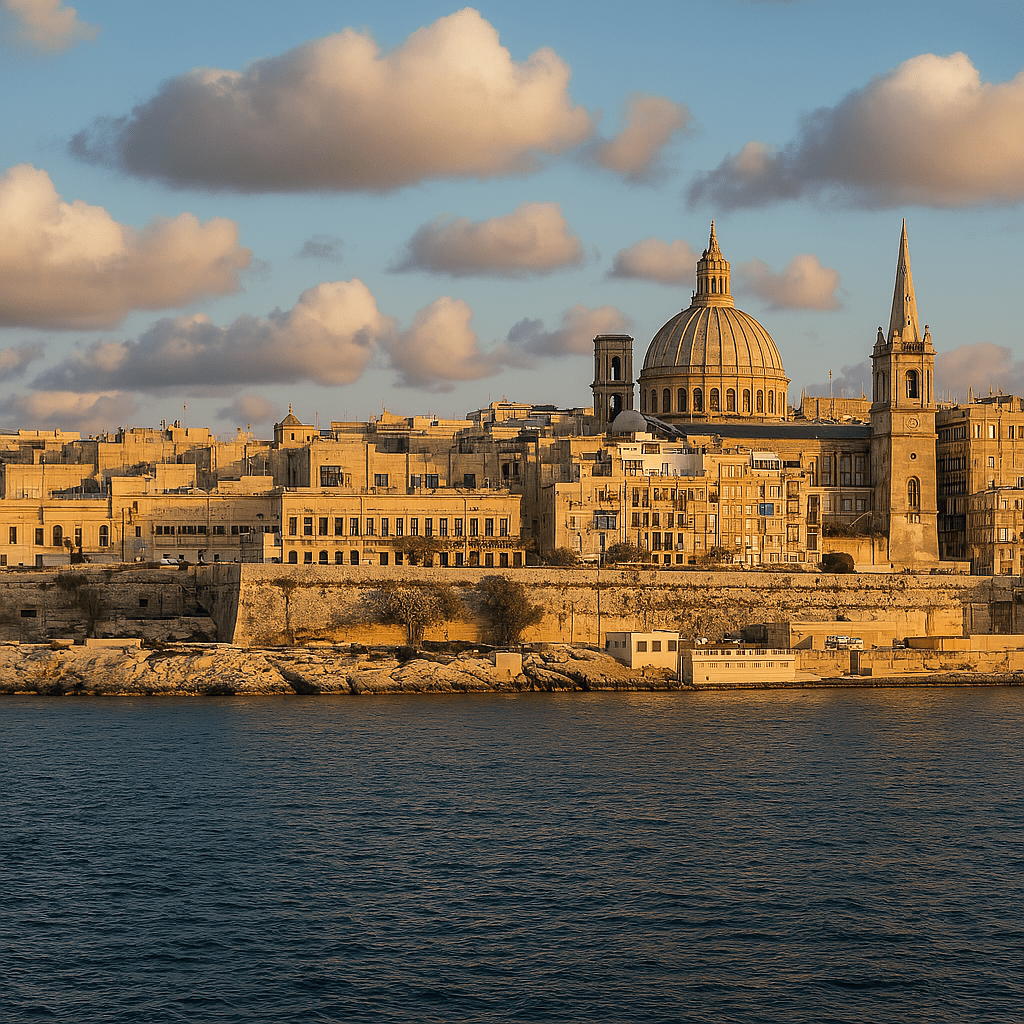
Spotting shifts in markets and military moves that shape Malta’s Mediterranean diplomacy
It feels like we’ve reached a turning point. Russian forces are raining missiles and drones on Ukraine with a pace we haven’t seen since the fight began. Their deployments hint at moves to surround key positions or force cracks in the defense lines. All the while, money markets aren’t waiting for official word. They’re betting on shifts that go well beyond a slow grind of attrition.
Here in the Central Mediterranean, that matters more than you might think. A sudden change in energy flows can ripple through shipping routes and fuel costs at our ports. Investors watching Russian debt or defense shares could pull back from projects that touch our region. If things tip toward a sharper escalation, we could see refugees, security alerts at sea, or pressures on our own diplomatic ties.
On the nuclear side, it’s subtle but real. You don’t need a big declaration to unsettle the balance. Even quiet tweaks to tactical doctrines send signals that echo here. When a naval vessel sails through disputed waters, or a new radar station lights up in the eastern Med, those moves reframe how we think about deterrence and dialogue.
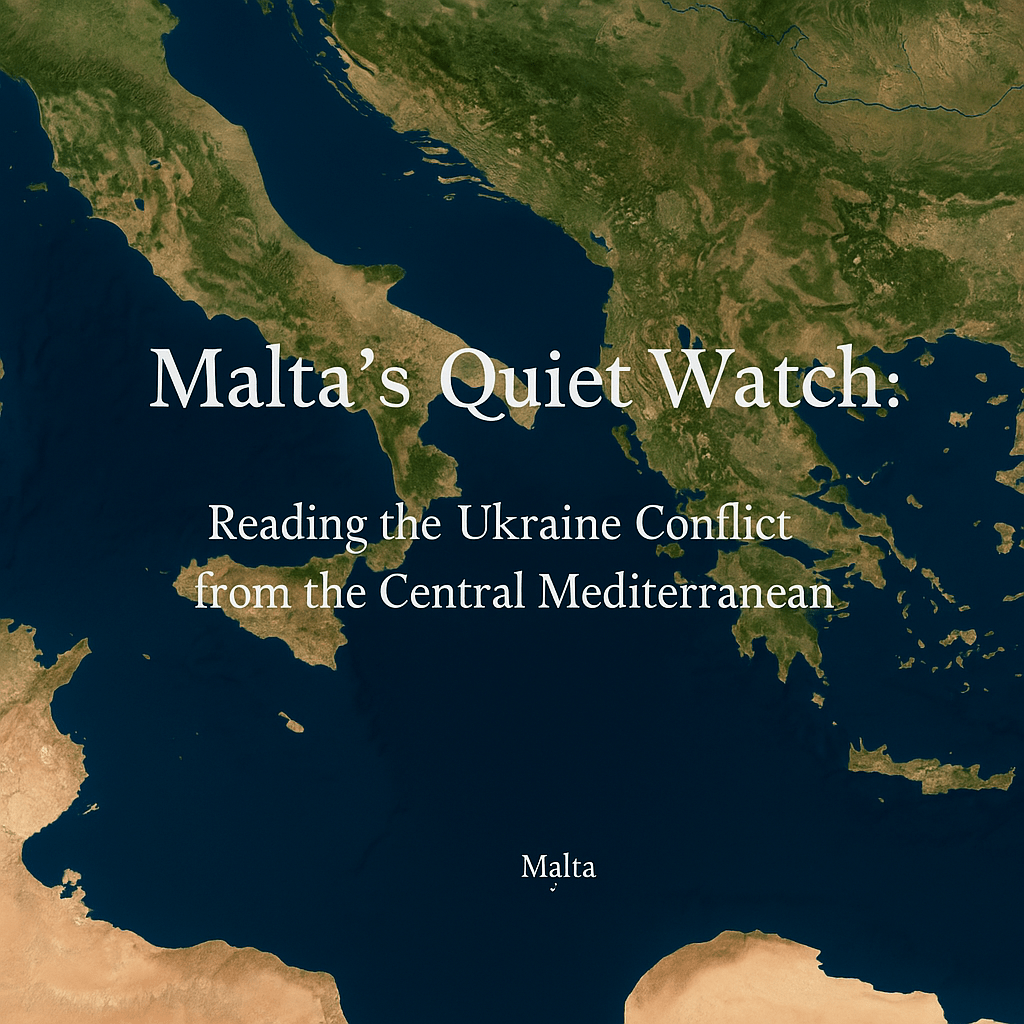
As Malta, we sit (not just geographically, but also politically!!) between North Africa, Europe and the Levant. Our voice in regional forums can draw attention to these early warning signs. Building a shared watch on commodity shipments or supporting open-source tracking of unusual military traffic might sound technical, but it gives our diplomats fresh talking points. When we press for calm at the next Euro-Med meeting, we can point to real data, not empty slogans.
At the same time, our embassies and maritime agencies could share unfiltered reports on local tensions. A small change in a port’s operating hours, a spike in satellite-tracked vessel movements, a new drone sighting off Libya or Tunisia—these interstices tell us what’s coming long before any government bulletin arrives.
I find myself wondering how we balance being alert without sounding alarmist. Maybe that’s the real art of diplomacy now. Keeping one eye on markets and another on military chatter, then weaving those threads into policy advice that feels grounded and clear. It won’t always be neat. Sometimes we’ll chase a false lead or miss a hidden shift. Yet picking up on the small pulses of change could help keep our region steady.
So next time you hear about a drone raid or a bond wobble, ask what it means for our shores. That habit of pausing to connect the dots might be the most practical thing we bring to the table. It’s how Malta can play a quiet but vital role in steering the Central Mediterranean through unsettled times.
#RussiaUkraine #MediterraneanSecurity #Diplomacy #Malta #NuclearDeterrence


 The Cons's Nook: www.ivanmconsiglio.com