
When Rhetoric Outruns Reality: Leadership Failures in the Iran Campaign
The run-up to and conduct of the conflict with Iran have felt at times like a series of improvisations dressed up as strategy, and that matters because the stakes are high and the margin for error is small.
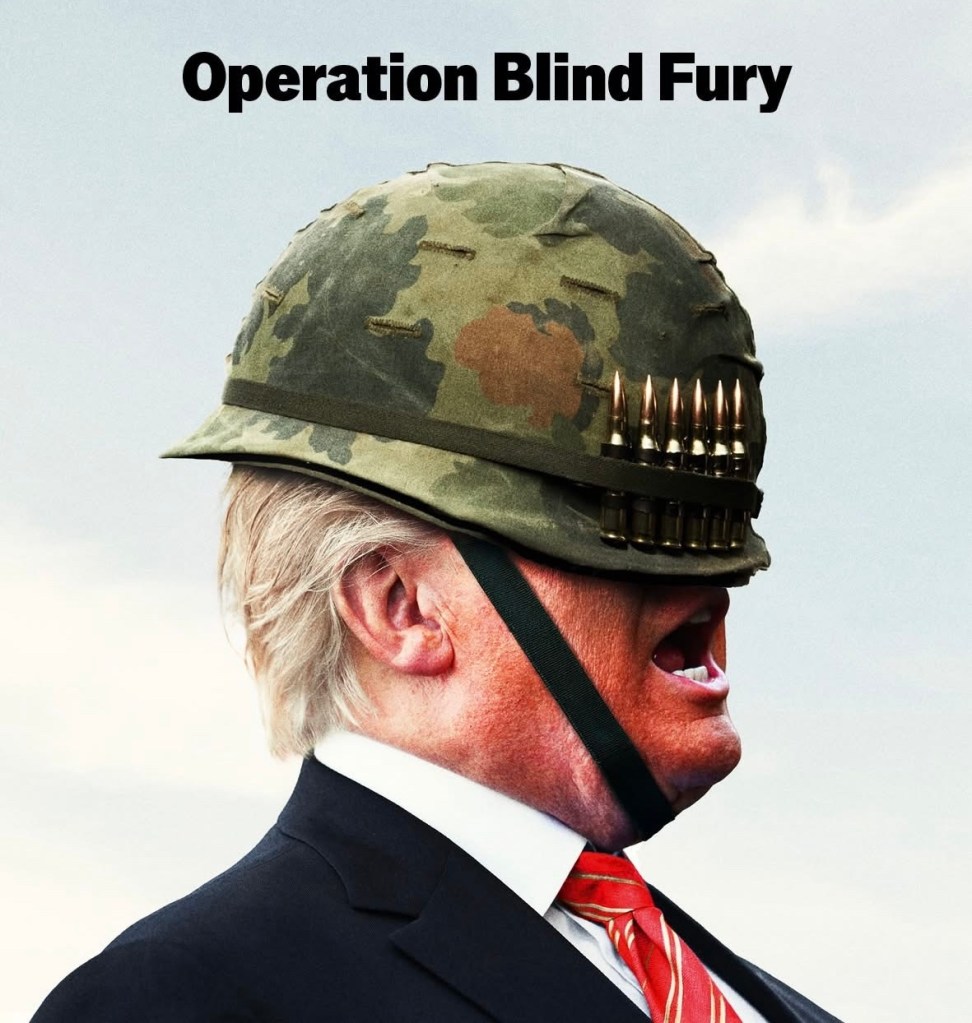
When leaders trade steady judgment for spectacle, the consequences land on people and on long term credibility. You can see it in the way public claims and private realities drift apart, in the sudden reversals of policy, and in the eagerness to announce triumphs before the facts are in.
Before major strikes began the public case for action shifted in tone and in purpose. One day the emphasis was on stopping a nuclear program, the next it was about punishing bad actors, and then it was framed as protecting commerce.
Those are different missions with different measures of success. Announcing sweeping aims without clear, measurable steps invites confusion and gives opponents room to exploit ambiguity. Mixed signals followed. Economic measures loosened even as military pressure rose.
That kind of mismatch weakens leverage and makes it harder to claim a coherent strategy when the instruments of state pull in different directions.
The tone from the US war department has often been striking for its certainty. Bold declarations about having neutralised missile and drone threats or having full control of contested airspace were repeated in public briefings and amplified in the media.
Those claims shaped the US president’s own posture. But the picture on the ground did not always match the rhetoric. Incidents that exposed gaps between claim and reality undermined trust. When an aircraft was lost and a risky rescue was required, the contrast between triumphant language and operational limits became painfully clear. Saying you have total dominance narrows options and makes it harder to admit setbacks. That narrowing can delay course corrections that would reduce risk.
Operationally there were recurring problems that point to deeper management issues. Public bravado sometimes substituted for sober assessment. When the narrative is fixed on victory, nuance gets squeezed out and intelligence that complicates the story is sidelined.
Mixed signals across diplomacy, sanctions, and military action created openings for adversaries and left allies uncertain. Some operations pushed into marginally safe zones, suggesting planning did not fully account for remaining enemy capabilities. Messaging often outpaced facts and that gap eroded trust inside government and with the public.
The pattern of sudden u-turns and reversed deadlines added to the sense of drift. Timelines were announced with fanfare and then quietly adjusted. Ultimatums were issued and then softened. That kind of flip flopping does more than confuse. It signals to partners and adversaries that commitments are negotiable and that pressure points can be blunted by patience. When deadlines become flexible, leverage shrinks.
When rhetoric promises a hard line and policy bends, the result is a credibility deficit that is hard to repair.
There is a particular danger in declaring victory too soon. Premature triumphalism creates a false endpoint and encourages leaders to treat complex, ongoing problems as solved. Announcing that objectives have been met before the underlying issues are actually resolved risks leaving the country with the appearance of success but the reality of unfinished business.
If the public and partners believe the fight is over, political will to address the harder, long term tasks can evaporate. Rebuilding deterrence, stabilizing the region, and repairing disrupted supply lines are slow work. They do not fit neatly into a single press conference.
Rhetoric that leaves little room for compromise raises the temperature of the conflict and narrows diplomatic space. Phrases that celebrate force as the primary tool of negotiation may play well to certain audiences but they also push adversaries toward cornered responses. When language suggests there is no path back from escalation, miscalculation becomes more likely.
That is not just a theoretical risk. It is a practical one that shows up in the choices commanders make and in the reactions of other states.
There are practical steps that would have reduced risk and improved credibility. Align public statements with the best available intelligence and be candid about uncertainty. Make sure sanctions, diplomacy, and military action reinforce one another rather than working at cross purposes. Define clear, measurable objectives so success can be tracked honestly. Plan for the long game and accept that tactical gains do not automatically translate into strategic stability.
These are basic principles of statecraft, not flashy innovations, and they matter most when the costs of error are high.
Leadership in war is not just about bold gestures. It is about steady judgment, honest assessment, and the humility to change course when the facts demand it. The pattern of overclaiming, mixed signals, and sudden reversals has left many questions unanswered and many allies uneasy. That is the real cost. It is not the headlines. It is the slow erosion of trust and the hard work that will be required to rebuild it.
If one steps back from the noise there is a simple test of sound policy. Does what leaders say match what they can actually deliver? If not, the gap will be filled by rumour, by miscalculation, and by the kind of escalation no one wants. The USA and its partners deserve a strategy that matches means to ends and candor from those who lead.
That is not a partisan point. It is a practical one. They can then cheer decisive action and still insist that it be guided by clear goals, honest reporting, and a plan for what comes next.
#Iran #USForeignPolicy #MilitaryLeadership #Accountability #StrategicClarity


 The Cons's Nook: www.ivanmconsiglio.com