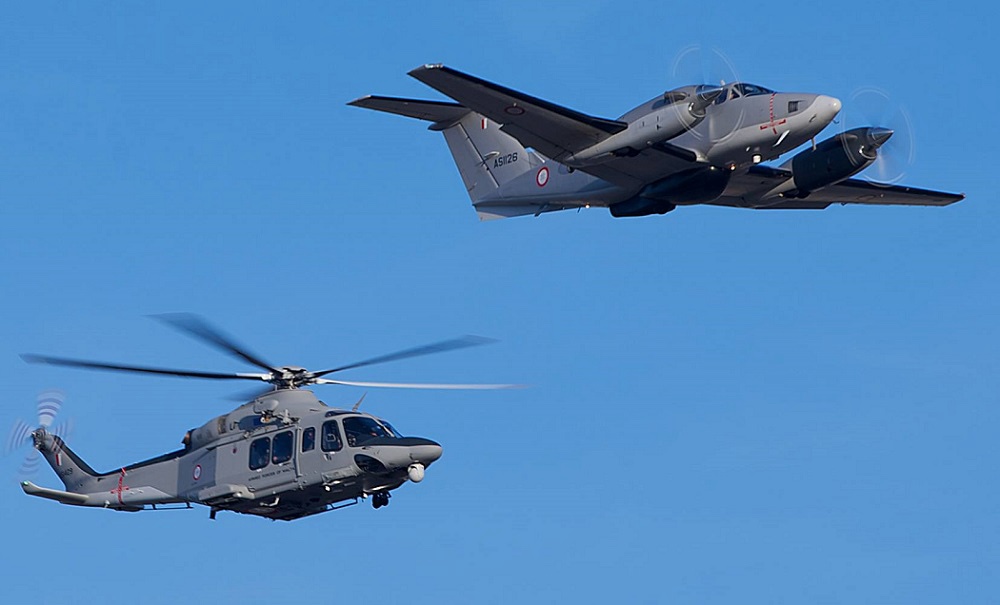
There’s a moment when a country announces new aircraft and everyone feels a bit lighter. You see the photos, the price tag, the promise of better coverage, and you think, yes, this is the right direction. And to be fair, it is. Crews who have been stretching limited tools for years deserve better. The public deserves better. So the positive reaction is natural.
But once that first wave of optimism settles, you start looking at the numbers and the patterns, and the picture becomes more serious. Malta has a long history of buying capable platforms and then struggling to keep them flying once the warranty period ends. It’s not a secret. It’s something you hear quietly from people who work around these systems, and you see it reflected in the gaps that appear whenever an aircraft goes down for heavy maintenance.
The core problem is simple. A small fleet has no cushion. When you only have two or three helicopters, one grounded aircraft isn’t a minor inconvenience. It’s a national capability drop. And when the Italian Military Mission left with its AB212 helicopters#, that cushion disappeared overnight. Malta suddenly had to carry the full weight of 24/7 SAR coverage with no external redundancy. That shift increased flying hours, pushed maintenance cycles harder, and placed more pressure on crews who were already doing a lot with very little.
This is where the sustainability question becomes unavoidable. Buying a new helicopter or aircraft is the easy part. Keeping it flying for ten or fifteen years is the real test. And that’s where Malta has struggled. EU funds help with acquisition, but they don’t cover the long tail of ownership. Spare parts, mid‑life upgrades, avionics refreshes, simulator hours, and the specialised training that keeps crews sharp all fall on the national budget. When the fleet is small, every delay hits harder. Every supply chain issue becomes a capability issue.
There’s also the human side. Engineers, avionics technicians and experienced pilots are hard to retain. Civilian aviation offers better pay and clearer progression. Losing even a handful of specialists can ground aircraft for reasons that have nothing to do with hardware. It’s a quiet problem, but it’s one that shapes the entire system.
So while the new investment is welcome, it doesn’t fix the structural fragility that has been building for years. And perhaps this is the part we don’t talk about enough. Malta doesn’t just need new aircraft. It needs a sustainment model that matches the responsibility placed on these platforms. It needs long‑term contracts that don’t collapse when budgets tighten. It needs technical career paths that keep people in uniform. It needs a realistic understanding that resilience isn’t created by purchases. It’s created by systems that stay standing when things go wrong.
If anything, the new aircraft should be the moment when the country steps back and asks itself a harder question. Are we building a capability that can survive the next decade, or are we repeating the cycle where everything looks strong on paper until the warranty expires?
I think the answer depends on whether Malta treats sustainment with the same seriousness it treats acquisition. If it does, then this investment becomes more than a headline. It becomes a turning point. If it doesn’t, then we’ll be back in the same place in a few years, celebrating new platforms while quietly worrying about the ones that should still be flying.
And maybe that’s the real takeaway. Progress isn’t just about buying something new. It’s about building a system that doesn’t fall apart the moment the spotlight moves on.


