It’s hard not to feel a little stunned when a vessel bought to protect our Maltese waters sits idle for a year. That image — a brand-new hull gathering dust and rust — is more than waste; it’s a sign that planning stopped at purchase. You can see the money, but you don’t see the thought that should have gone into making the boat useful from day one.
The immediate loss is obvious: patrol hours not sailed, fisheries left unmonitored, and a gap in search and rescue capacity. But the deeper problem is how the project was run. Buying hardware without lining up the people, the spare parts, the training, and the test routines is like buying a car and leaving it in the garage because no one knows how to drive it or fix it when the engine light comes on.
There are a few practical failures that tend to repeat in cases like this.
First, the handover process was treated as an administrative milestone rather than an operational one. The vendor signs off, the invoice is paid, and the asset is declared delivered. Yet delivery should mean the crew can take the boat to sea and use it safely on day one. That requires independent trials, realistic sea tests, and a checklist that includes maintenance tooling and critical spares. If those items were not locked into the contract, the boat becomes a liability instead of an asset.
Second, the sustainment chain looks like an afterthought. New platforms often need special parts and diagnostic tools that are not stocked locally. If the supply chain is fragile, a single failed component can keep the vessel ashore for months. That’s not just poor logistics; it’s poor risk management. You don’t buy a capability and then hope the supply chain will catch up.
Third, the human side was probably underestimated. New systems bring new procedures. Crews need hands-on time, simulators, and maintenance teams need structured courses. If training schedules lag behind delivery, the platform sits while people catch up. That’s a predictable mismatch that should be avoided by design.
There are also strategic blind spots worth naming. A single expensive platform creates a single point of failure in presence and deterrence. If the plan relied on that boat to cover a particular patrol area or mission set, the grounding creates a hole that is visible to anyone watching. That invites illegal fishing, smuggling, and other low-risk, high-reward behaviour. A more resilient posture would spread capability across several smaller, easier-to-maintain assets and unmanned systems so presence is continuous even when one platform is down.
Another issue is accountability. When procurement, operations, and maintenance sit in separate silos, problems get passed around. No one owns the fix. That slows response and erodes public trust. A single programme office with clear authority and transparent reporting would make it harder for a problem to linger unnoticed.
So what should have been done, had a proper plan been in place that could have stopped this from happening ?
Start with a focused audit that names the technical faults and the programme failures. Don’t stop at a list of broken parts; map the decisions that let those faults persist. Then align people and parts with the platform. Fast-track crew certification, ship in the critical spares, and set up a dedicated maintenance team that can work through the issues without being pulled in a dozen directions.
Change the procurement rules so that payment and acceptance depend on operational trials, not just delivery paperwork. Build penalties and incentives into contracts that reward availability, not just delivery dates. Require vendors to support the platform through an initial operational period so the buyer isn’t left alone with a complex system they can’t run.
Finally, diversify presence. Invest in smaller, cheaper assets and unmanned systems that can be deployed quickly. They won’t replace a patrol boat, but they keep the lights on while bigger fixes are made. That way, a single grounding doesn’t translate into a full loss of presence.
Some might read this and think it’s all obvious. Maybe it is. But obvious problems repeat because they’re easier to ignore than they are to fix. The real test is whether the people in charge learn from this and change the way they buy and sustain capability. If they don’t, the next headline will look the same, and the public will rightly ask why top brass keep making the same mistake.
A grounded boat is a visible failure. The invisible failures that let it happen are the ones that matter most. Fix those, and the next new asset will actually protect the sea it was bought to guard.
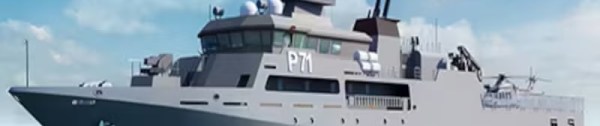


A new patrol boat stuck on the slipway says more about us than about steel
It’s hard not to feel a little stunned when a vessel bought to protect our Maltese waters sits idle for a year. That image — a brand-new hull gathering dust and rust — is more than waste; it’s a sign that planning stopped at purchase. You can see the money, but you don’t see the thought that should have gone into making the boat useful from day one.
The immediate loss is obvious: patrol hours not sailed, fisheries left unmonitored, and a gap in search and rescue capacity. But the deeper problem is how the project was run. Buying hardware without lining up the people, the spare parts, the training, and the test routines is like buying a car and leaving it in the garage because no one knows how to drive it or fix it when the engine light comes on.
There are a few practical failures that tend to repeat in cases like this.
First, the handover process was treated as an administrative milestone rather than an operational one. The vendor signs off, the invoice is paid, and the asset is declared delivered. Yet delivery should mean the crew can take the boat to sea and use it safely on day one. That requires independent trials, realistic sea tests, and a checklist that includes maintenance tooling and critical spares. If those items were not locked into the contract, the boat becomes a liability instead of an asset.
Second, the sustainment chain looks like an afterthought. New platforms often need special parts and diagnostic tools that are not stocked locally. If the supply chain is fragile, a single failed component can keep the vessel ashore for months. That’s not just poor logistics; it’s poor risk management. You don’t buy a capability and then hope the supply chain will catch up.
Third, the human side was probably underestimated. New systems bring new procedures. Crews need hands-on time, simulators, and maintenance teams need structured courses. If training schedules lag behind delivery, the platform sits while people catch up. That’s a predictable mismatch that should be avoided by design.
There are also strategic blind spots worth naming. A single expensive platform creates a single point of failure in presence and deterrence. If the plan relied on that boat to cover a particular patrol area or mission set, the grounding creates a hole that is visible to anyone watching. That invites illegal fishing, smuggling, and other low-risk, high-reward behaviour. A more resilient posture would spread capability across several smaller, easier-to-maintain assets and unmanned systems so presence is continuous even when one platform is down.
Another issue is accountability. When procurement, operations, and maintenance sit in separate silos, problems get passed around. No one owns the fix. That slows response and erodes public trust. A single programme office with clear authority and transparent reporting would make it harder for a problem to linger unnoticed.
So what should have been done, had a proper plan been in place that could have stopped this from happening ?
Start with a focused audit that names the technical faults and the programme failures. Don’t stop at a list of broken parts; map the decisions that let those faults persist. Then align people and parts with the platform. Fast-track crew certification, ship in the critical spares, and set up a dedicated maintenance team that can work through the issues without being pulled in a dozen directions.
Change the procurement rules so that payment and acceptance depend on operational trials, not just delivery paperwork. Build penalties and incentives into contracts that reward availability, not just delivery dates. Require vendors to support the platform through an initial operational period so the buyer isn’t left alone with a complex system they can’t run.
Finally, diversify presence. Invest in smaller, cheaper assets and unmanned systems that can be deployed quickly. They won’t replace a patrol boat, but they keep the lights on while bigger fixes are made. That way, a single grounding doesn’t translate into a full loss of presence.
Some might read this and think it’s all obvious. Maybe it is. But obvious problems repeat because they’re easier to ignore than they are to fix. The real test is whether the people in charge learn from this and change the way they buy and sustain capability. If they don’t, the next headline will look the same, and the public will rightly ask why top brass keep making the same mistake.
A grounded boat is a visible failure. The invisible failures that let it happen are the ones that matter most. Fix those, and the next new asset will actually protect the sea it was bought to guard.
READ MORE:
Malta’s €50 million brand new flagship patrol vessel, the P71, has remained out of service for close to a year.
#patrolboat #maritimedefense #defenceprocurement #sustainment #navalreadiness #supplychain #crewtraining
Rate this:
Share this:
Related
About ivanmconsiglio
Read all about me: https://ivanmconsiglio.wordpress.com/about-ivanmconsiglio/