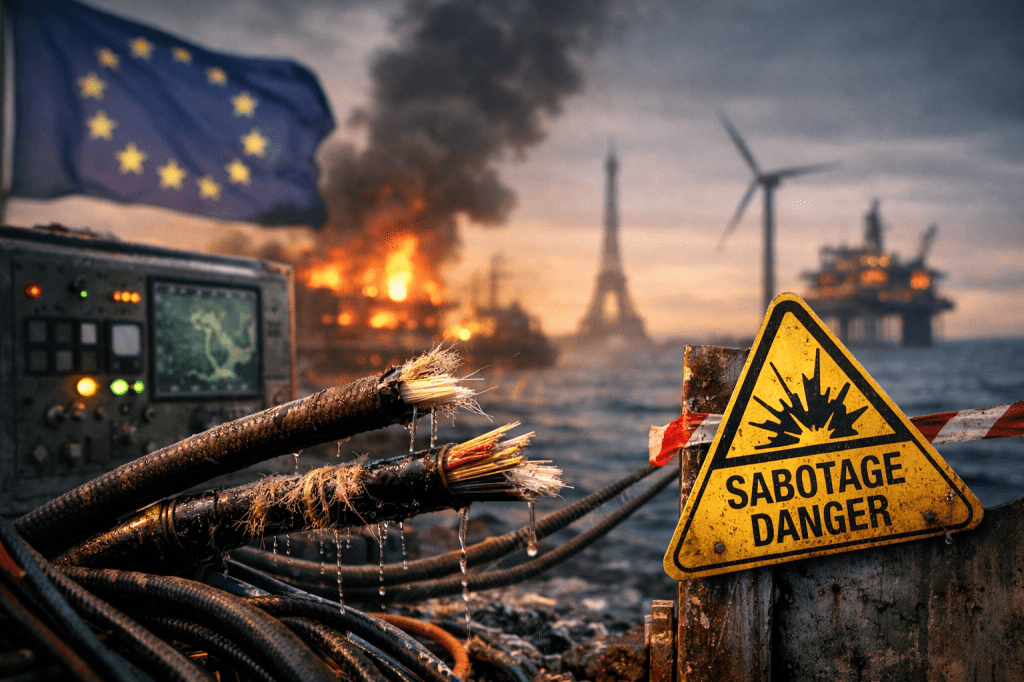
Europe’s critical systems are ageing quietly while the threat grows louder.
Sabotage isn’t a headline anymore — it’s a strategy.
The question is whether policymakers will act before the next cable is cut.
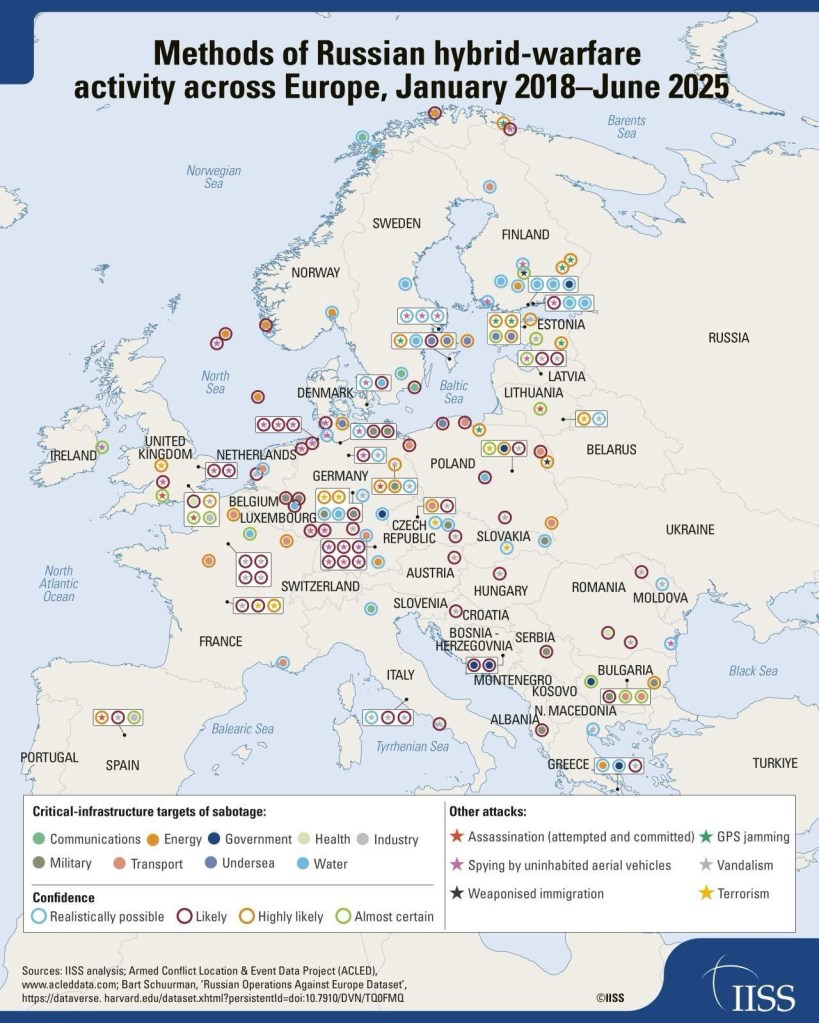
It’s hard to ignore the pattern that’s been building across Europe. Russian sabotage operations didn’t just rise last year — they almost quadrupled. When numbers jump like that, you start to realise this isn’t a passing phase. It’s a strategy that’s settling in for the long haul.
What troubles me most is how exposed our critical infrastructure still is. We’ve known for years that a lot of it is ageing, patched together, or running on systems that feel like they belong to another era. You can almost picture the old software screens still glowing in control rooms that keep whole countries running. And when so much of this infrastructure sits in private hands, the gaps in responsibility become even wider. Governments depend on systems they don’t fully see, and companies carry risks they were never built to manage alone.
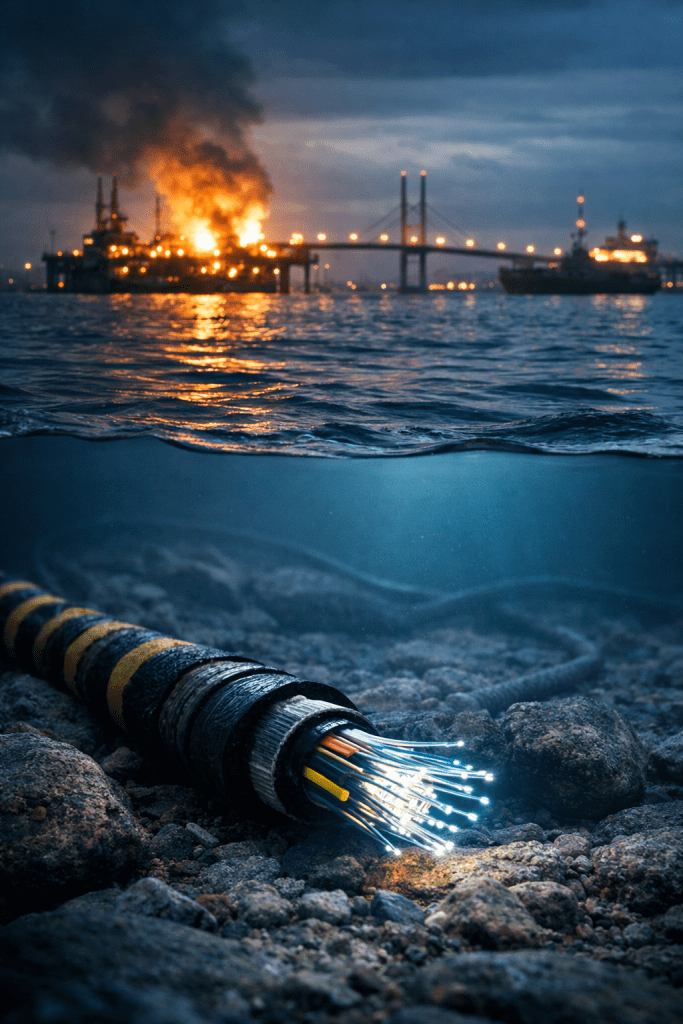
Then there’s the quiet part of the story — the submarine cables. They sit on the seabed, out of sight, carrying almost everything that keeps the European economy moving. If you’ve ever paused to think about how much of our daily life flows through those lines, you start to feel a bit uneasy. They’re strong, yes, but they’re not untouchable.
Russia knows all this. That’s why these operations matter. They’re not random acts. They’re part of a wider effort to wear down Europe’s resilience, to make governments hesitate, to create just enough uncertainty that unity becomes harder to hold. And because this activity sits in that grey space between peace and open conflict, it’s easy for policymakers to feel stuck. You can’t respond as if it’s war, but you can’t treat it like routine mischief either.
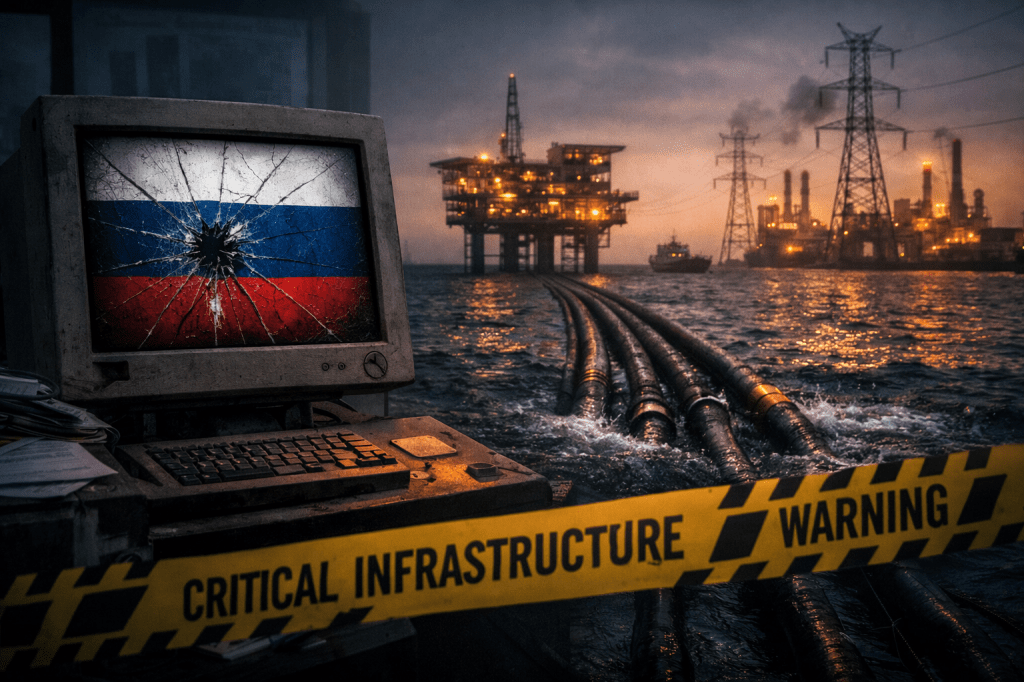
This is where the wake‑up call comes in. Europe can’t keep treating critical infrastructure as something to fix later. The threat has moved faster than the policy response, and that gap is where the danger sits. If we want to protect our economies, our energy systems, and even our political stability, we need to treat this as a priority rather than an afterthought.
I think the question for policymakers now is simple enough: how long can Europe afford to wait before strengthening the systems that hold everything else together. The answer feels uncomfortably clear.
#HybridWarfare #CriticalInfrastructure #EuropeanSecurity #EuropeanResilience #CyberRisk #EuropePolicy


