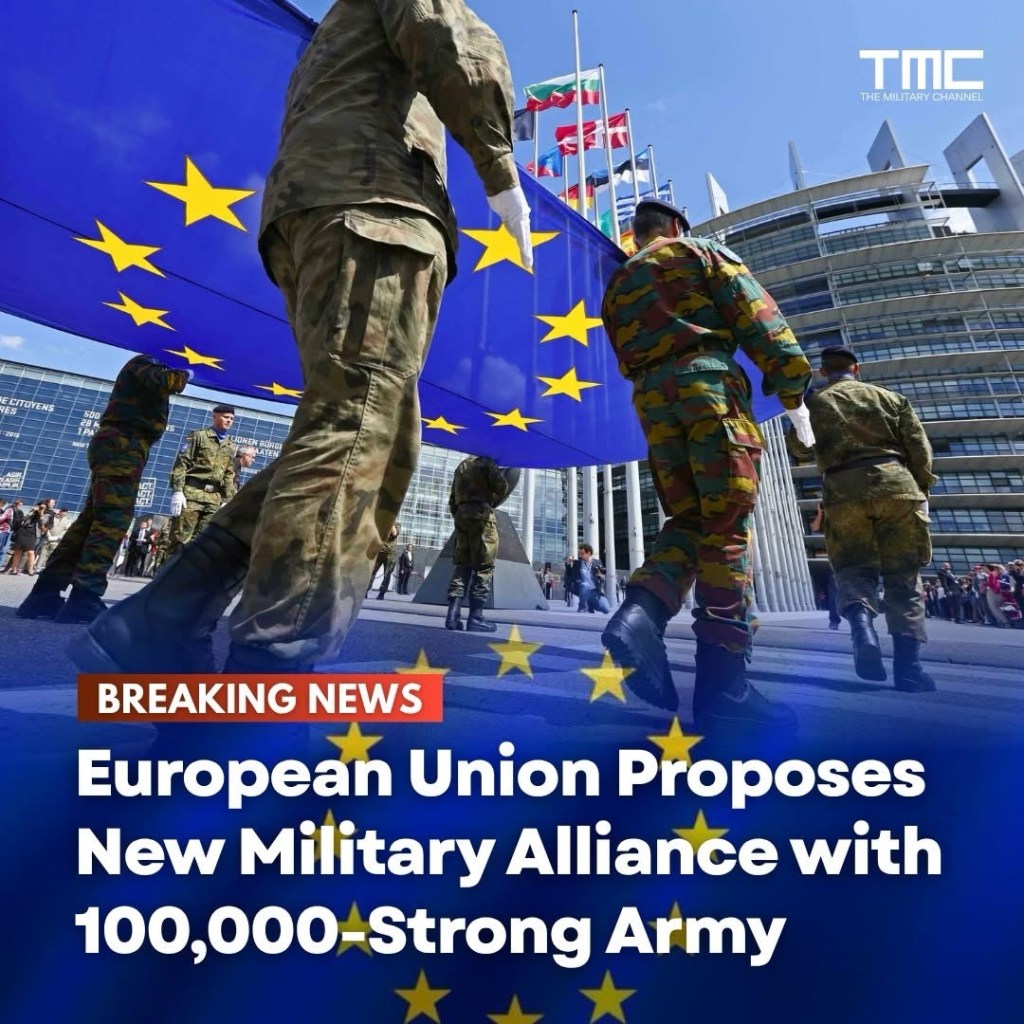
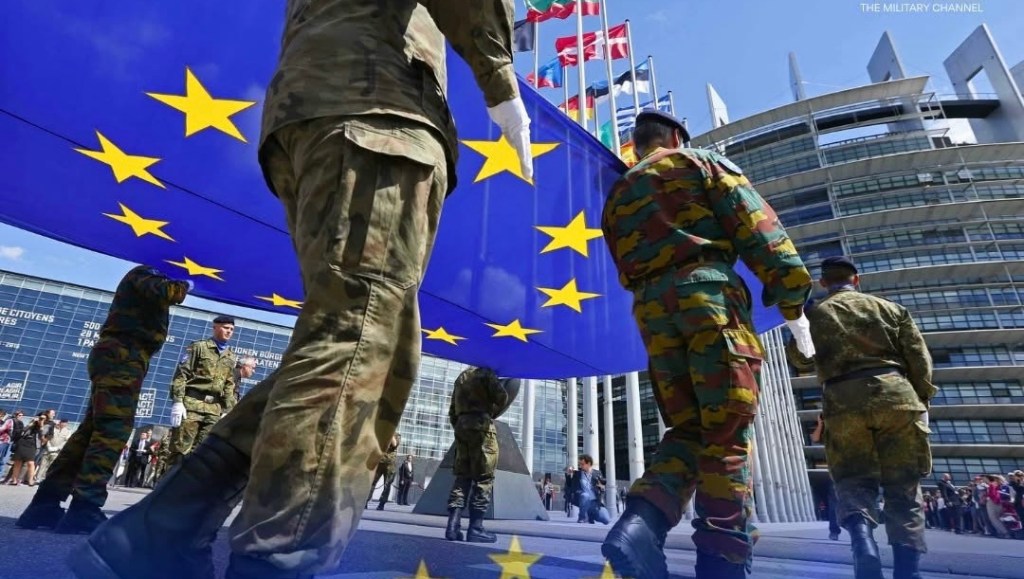
This EU plan for a standing force and a new security council puts small states in a real bind. There are clear gains: faster access to supplies, shared stockpiles, and quicker help if a crisis touches Maltese waters or trade routes. Those are practical things that matter.
At the same time, neutrality shapes how Malta speaks to the world. Any deeper military ties would need careful legal checks and an open public conversation. Shifting posture without clarity risks political fallout and diplomatic strain.
A middle way feels sensible. Focus on logistics, humanitarian work, cyber defense, and maritime tasks that fit national law and public feeling. That gives Malta resilience and access to resources without open ended combat obligations.
Money and capacity are real constraints. Joining pooled programs costs something, but it can bring training, tech access, and partnerships. Make sure any commitment comes with clear expectations about what Malta will get back and how costs are managed.
Legal safeguards matter. Parliamentary oversight, sunset clauses, and strict mission limits can keep cooperation consistent with neutrality. Clear rules about when Maltese assets are used will make public debate less speculative.
Staying at the table, even modestly, preserves influence. Silence might protect neutrality in the short term but could reduce Malta’s ability to shape decisions that affect the region. Be present with firm red lines.
Maybe the best posture is cautious engagement: keep neutrality as a guiding principle, but allow targeted cooperation that strengthens resilience and protects national interests. It’s not tidy, and that’s okay. It leaves room for debate and for adjustment as events unfold.
Read more and share: https://www.facebook.com/share/1HCmVdVGrM/?mibextid=wwXIfr